
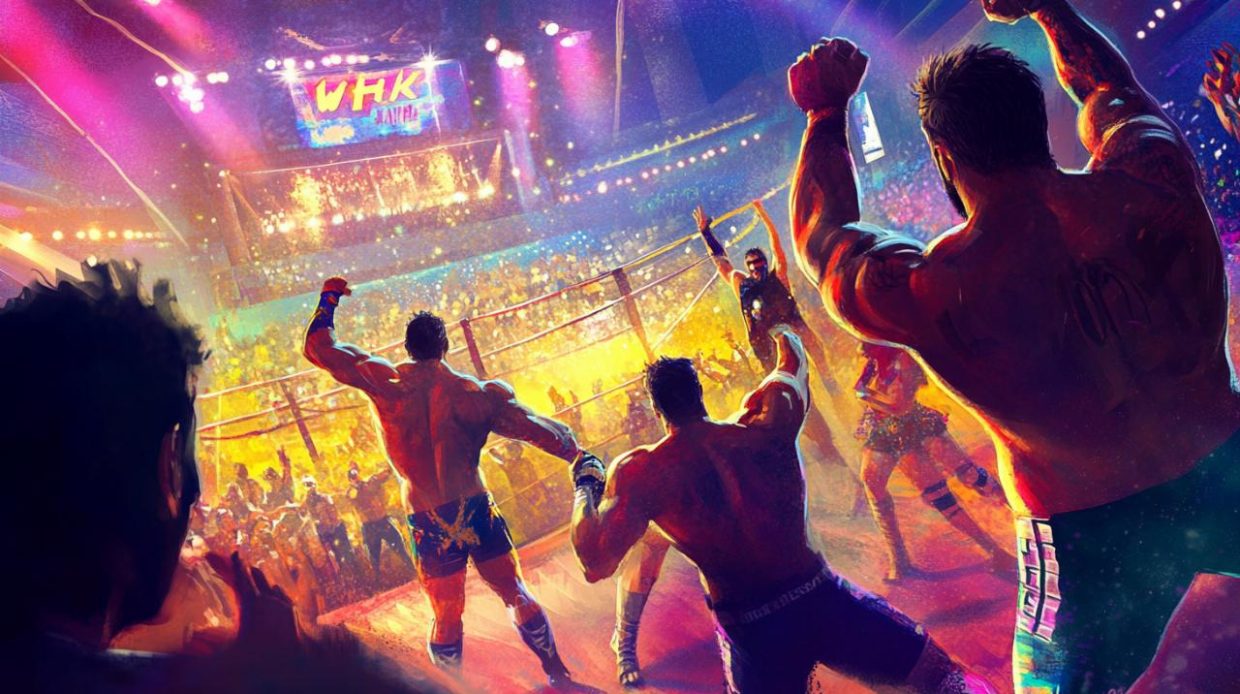
The world of professional wrestling witnessed a seismic shift during the late 1990s, as WWE transformed itself from a traditional wrestling federation into a global entertainment juggernaut. This metamorphosis was driven by a potent combination of audacious creative direction, magnetic personalities, and a willingness to challenge conventions. The era came to be defined by rebellion, raw emotion, and superstars who transcended the squared circle to become cultural icons. It was a period where the boundaries between sport and spectacle dissolved entirely, giving birth to a phenomenon that captivated millions and redefined what wrestling could be.
The Birth of the Attitude Era: When Wrestling Became Sports Entertainment
Breaking away from traditional wrestling: wwe's bold transformation
WWE's decision to pivot away from the clean-cut, family-friendly presentation that had characterised much of its earlier programming marked a turning point in the industry. The company recognised that audiences were craving something edgier, something that reflected the rebellious spirit of the times. This shift was not merely cosmetic; it involved a fundamental rethinking of how stories were told, how characters were developed, and how viewers were engaged. Wrestling matches remained central, but they were now framed within narratives that borrowed liberally from action films, soap operas, and contemporary cultural controversies. The emphasis moved from pure athleticism to personality-driven drama, where every feud felt personal and every victory or defeat carried emotional weight. This reimagining allowed WWE to carve out a unique space in the entertainment landscape, one that appealed to young adults seeking authenticity and intensity in their viewing habits.
Stone Cold Steve Austin and the Rise of Anti-Hero Characters
At the heart of this revolution stood Stone Cold Steve Austin, a beer-swilling, authority-defying anti-hero whose rebellious persona resonated with a generation disillusioned by corporate culture and establishment norms. Austin's character was a masterclass in relatability; he was the everyman who refused to be pushed around, who spoke his mind regardless of the consequences, and who embodied the frustrations of countless working-class fans. His feuds with the authoritarian figure of Vince McMahon became must-see television, creating a narrative tension that kept audiences glued to their screens week after week. The success of Austin's character demonstrated that fans no longer wanted heroes who were flawless and predictable. They wanted complexity, they wanted flaws, and they wanted characters who felt real. This shift in character design opened the door for a host of other anti-heroes and morally ambiguous figures to thrive, fundamentally altering the way wrestling stories were constructed.
Charismatic Superstars Who Built an Empire: From The Rock to Triple H
The Impact of Larger-Than-Life Personalities on Global Viewership
Whilst Stone Cold Steve Austin laid the groundwork, it was the collective magnetism of multiple superstars that truly propelled WWE to unprecedented heights. The Rock brought an electrifying charisma and an ability to connect with audiences through his catchphrases and in-ring prowess. His transition from wrestling to mainstream entertainment underscored the crossover appeal that WWE had cultivated. Triple H, with his cerebral approach to villainy and later his evolution as a corporate figurehead, added layers of intrigue and long-term storytelling depth. Hulk Hogan, though a product of an earlier era, had already demonstrated the power of personality in drawing crowds and generating revenue. The emergence of John Cena in the subsequent years continued this tradition, proving that WWE's formula of building superstars with distinct, memorable personas was sustainable over decades. These figures were not merely performers; they were brands unto themselves, capable of generating revenue through merchandise, media appearances, and fan engagement. Their global appeal helped WWE expand its reach far beyond North America, turning wrestling into a worldwide phenomenon.
How compelling storylines and character development captivated millions
The secret to WWE's success during this period was not simply the presence of charismatic individuals but the intricate storytelling that surrounded them. WWE invested heavily in character development, ensuring that each superstar had a backstory, motivations, and relationships that evolved over time. Feuds were built over months, with twists and turns that kept fans speculating about what would happen next. The company understood that emotional investment was key; if audiences cared about the characters, they would care about the outcomes of matches. This approach transformed weekly programming into serialised drama, where missing an episode meant potentially missing a pivotal moment. The integration of real-life elements into storylines further blurred the line between fiction and reality, creating a sense of authenticity that traditional scripted programming often lacked. This commitment to narrative depth ensured that WWE programming was not just about watching athletic contests but about following compelling human stories filled with conflict, redemption, and triumph.
Building a Broadcasting Powerhouse: Premium Events and Global Expansion
Wrestlemania, raw, and smackdown: establishing must-watch television
WWE's strategic use of premium live events and weekly programming solidified its position as a broadcasting powerhouse. WrestleMania, the company's flagship annual event, became synonymous with spectacle, drawing massive audiences and generating significant revenue through ticket sales, pay-per-view buys, and sponsorships. It was the culmination of months of storytelling, where major feuds reached their climax and new stars were made. Meanwhile, Raw and SmackDown served as the weekly touchpoints that kept fans engaged between major events. These shows were platforms for advancing storylines, showcasing talent, and creating memorable moments that would be discussed and replayed endlessly. The consistency and quality of these broadcasts turned WWE into appointment viewing, a rare achievement in an era of fragmented media consumption. The company's ability to deliver high-quality entertainment on a regular basis ensured a loyal fanbase that was willing to invest time and money into the product.
Vince mcmahon's vision: monetising entertainment whilst outpacing competitors
Behind WWE's transformation was the vision of Vince McMahon, whose business acumen and willingness to take risks were instrumental in the company's rise. McMahon understood that wrestling could be more than a niche sport; it could be a mainstream entertainment product with multiple revenue streams. He expanded WWE's reach through strategic partnerships, international tours, and the development of a robust merchandising arm. The company capitalised on the popularity of its superstars by licensing their likenesses for video games, action figures, and apparel, turning fans into consumers in ways that traditional sports organisations had not fully explored. McMahon's aggressive expansion strategy also involved outpacing competitors, most notably WCW, which ultimately led to WWE's dominance in the industry. Even with the emergence of newer competitors like AEW in recent years, WWE's established brand, financial resources, and global infrastructure have allowed it to maintain its position as the leading wrestling promotion in the world. The company's evolution into a publicly traded entity and its partnerships with major media platforms have further cemented its status as a financial powerhouse, demonstrating that McMahon's vision of turning wrestling into a sustainable entertainment empire was not only ambitious but ultimately successful.