
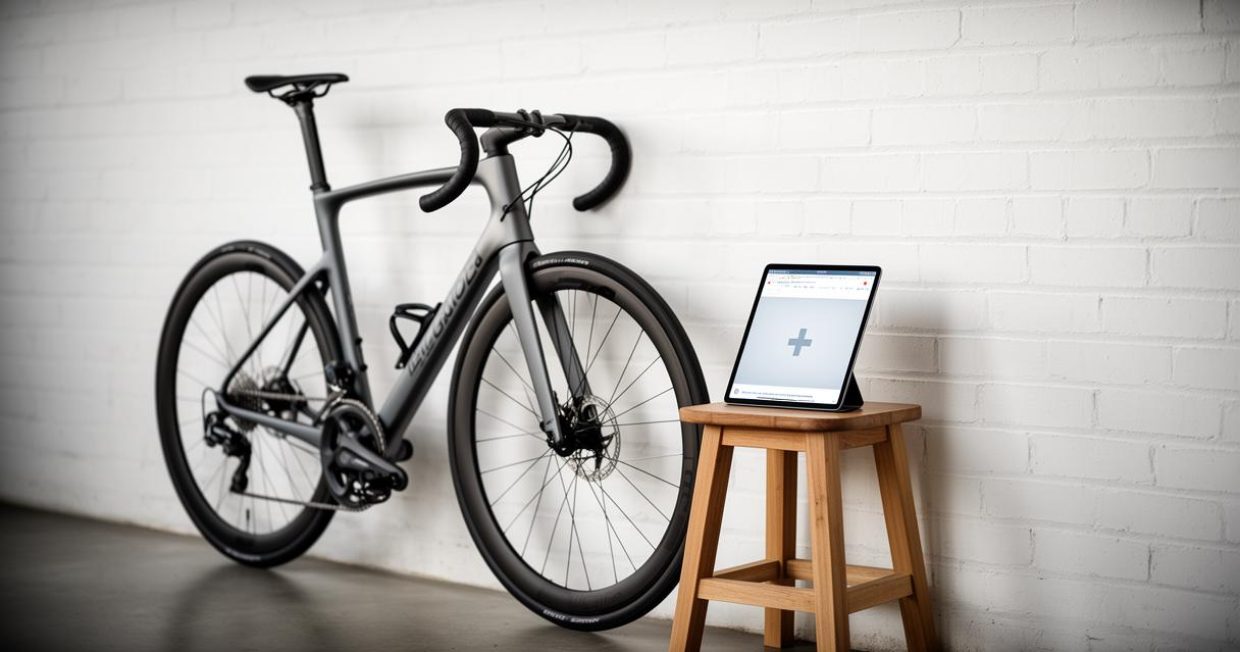
Selling your bicycle online requires more than simply uploading a few photographs and hoping for the best. Whether you are parting with a cherished road bike or upgrading from an older mountain bike, the way you present your listing can make all the difference between a quick sale and weeks of waiting. Understanding how to structure your advert effectively ensures that your bicycle stands out in a crowded marketplace and attracts genuine buyers who are ready to make a purchase.
Understanding the Fundamentals of Creating Your Troc Vélo Listing
Before you begin crafting your advert, it is essential to familiarise yourself with the platform itself. Troc Vélo operates as a community-driven marketplace where cyclists buy, sell, and exchange bicycles and related equipment. The first step involves setting up your account, which typically requires basic contact details and verification to ensure trustworthy transactions. Once your account is active, navigating the platform becomes straightforward, with clear sections for listing items, managing enquiries, and tracking the performance of your adverts.
Getting Started with Your Troc Vélo Account and Navigation
Creating an account is a simple process that establishes your presence on the platform. After registration, you will gain access to a dashboard that allows you to manage your listings and communicate with potential buyers. The interface is designed to be user-friendly, guiding you through each step of the listing process. Take time to explore the various categories and understand how similar bicycles are presented. This initial research helps you position your advert effectively and provides insight into what buyers are searching for in your specific niche.
Essential Information Required for a Successful Bicycle Advert
A comprehensive listing requires specific details that buyers expect to see before making contact. The year of manufacture, frame size, and brand are fundamental starting points. Beyond these basics, you should include the bicycle's condition, highlighting any recent maintenance or upgrades. Service history plays a crucial role in building buyer confidence, much like it does when selling a car. Documentation of regular servicing, component replacements, and professional inspections demonstrates that the bicycle has been well maintained. Additionally, mileage can be relevant for certain types of bicycles, particularly if you have kept records of your riding. Ownership history and any remaining warranties add further credibility to your listing, reassuring buyers that they are investing in a quality product.
Crafting eye-catching titles that attract serious buyers
The title of your advert serves as the first impression and often determines whether a potential buyer clicks through to view the full listing. A well-crafted title balances essential information with brevity, capturing attention without overwhelming the reader. It should communicate the most important aspects of your bicycle in a way that resonates with your target audience. Avoid vague or generic phrasing that fails to distinguish your listing from countless others. Instead, focus on specificity and clarity, ensuring that buyers immediately understand what you are offering.
Strategic keywords and phrases that boost visibility
Incorporating strategic keywords into your title increases the likelihood of your advert appearing in relevant searches. Think about what terms buyers use when searching for a bicycle like yours. For example, specifying the model, trim level, and key features such as frame material or groupset can significantly enhance visibility. If your bicycle is particularly suited to a certain type of riding, such as touring or competitive racing, mentioning this in the title can attract buyers with those specific interests. The same principles that apply to car advertisement strategies are equally relevant here: clear, descriptive language paired with the right keywords ensures your listing reaches the right audience. Additionally, mentioning the year of registration or model year helps buyers quickly assess whether your bicycle fits their requirements.
Avoiding common mistakes in bicycle advert headlines
Many sellers inadvertently sabotage their adverts by including phrases that deter serious buyers. Expressions such as offers, price on application, or similar vague terms create uncertainty and suggest that the seller may not be confident in the value of their bicycle. Buyers prefer transparency and are more likely to engage with listings that present a clear price and straightforward information. Similarly, avoid using overly casual language or internet slang that might undermine the professionalism of your advert. Clichés and exaggerated claims can also weaken your message, as experienced buyers often see through such tactics. Instead, aim for honesty and precision, which build trust and encourage genuine enquiries.
Optimising Your Listing for Maximum Engagement and Quick Sales
Once your title has attracted a potential buyer, the body of your listing must deliver on that initial promise. A detailed description provides the context and reassurance buyers need to move forward with a purchase. This section should expand on the information hinted at in the title, offering a complete picture of the bicycle's condition, features, and history. Balance is key: you want to be thorough without overwhelming the reader with unnecessary detail. A concise description, ideally between fifty and seventy-five words, strikes the right note by covering essential points while remaining easy to read.
Writing detailed descriptions that build buyer confidence
Honesty is critical throughout your description. Misrepresenting the condition or history of your bicycle is not only illegal in many jurisdictions but also damages your reputation as a seller. Clearly state any wear, damage, or modifications, and explain any repairs that have been carried out. Transparency about the bicycle's condition helps set realistic expectations and reduces the likelihood of disputes or returns. Include information about any upgrades, such as new tyres, a recently serviced drivetrain, or aftermarket components, as these details can justify your asking price and appeal to discerning buyers. Contact details should be readily available, enabling interested parties to reach you quickly. Providing multiple contact options, such as phone and email, increases accessibility and demonstrates your willingness to engage with serious enquiries.
Pricing Strategies and Photography Tips for Troc Vélo Success
Setting the right price requires research and realistic assessment of your bicycle's market value. Tools similar to the free car valuation services offered by organisations like RAC can provide guidance, though for bicycles, you may need to consult recent sale prices on similar listings. Factors such as trim level, mileage, and overall condition significantly influence pricing. Avoid overpricing, which can cause your listing to languish unseen, but also resist the temptation to undervalue your bicycle simply to secure a quick sale. A fair price based on thorough research attracts serious buyers and facilitates a smoother transaction. Photography is equally important, as high-quality images allow buyers to assess the bicycle's condition before making contact. Ensure your photographs are well-lit, clearly showing all angles and any notable features or imperfections. Including images of key components, such as the drivetrain, brakes, and frame, provides additional reassurance. Much like preparing a car for sale to attract buyers, presenting your bicycle in a clean and well-maintained state makes a strong impression and signals that it has been cared for properly. By combining accurate pricing with compelling visuals, you maximise your chances of a successful and swift sale.